 If you ask kids what they’re most afraid of, I’d bet a lot of them would say, “the dark.” This isn’t an uncommon theme—the dark is a constant we must face on a daily basis, and it can be quite scary when we aren’t prepared for it.
Continue reading
If you ask kids what they’re most afraid of, I’d bet a lot of them would say, “the dark.” This isn’t an uncommon theme—the dark is a constant we must face on a daily basis, and it can be quite scary when we aren’t prepared for it.
Continue reading

No motivation. No inspiration. No magical words flying from keyboard to paper. Writer’s block, that ominous, horror story creature haunting you from the deep dark caverns of despair.
Don’t let it take you prisoner.
Here are some ways to fight back.
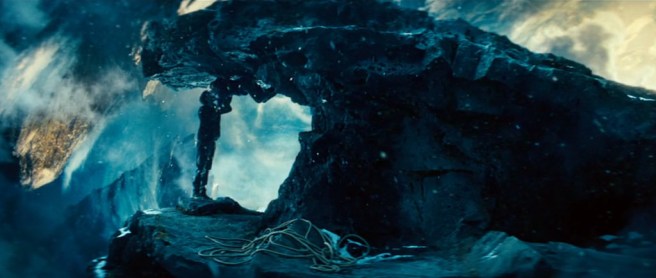
Writing fiction—what a life! You can choose any time, any place, any situation, then drop in characters you’ve created. A blank sheet is a good thing. It’s raw material that you can build a new world (or worlds!) with.
I’ve worked as a history professor and researcher. It was great, but it’s a job where you have to dig and search and make sure you have your facts straight. In fiction, it comes from your head. It’s harder than I thought, but much more fun.
Here are a few tips on writing fiction and where I draw my ideas from:

How long does a movie’s intense action scene last? It’s not just “Bang, pow; kick, punch, roll, jump,” without pause; movies throw in little “breathers” of comedy or surprise so that the audience can take a breath or laugh to relieve the build-up of tension. Then they go back to building it up again. This way the audience’s excitement doesn’t peak and then fall, but rather is built up in smaller increments, like an up-hill hike. You might want to run the whole distance, but you’d end up burning out without breaks. However, if you time your breaks strategically, you can build up your momentum and finish with a feeling of accomplishment, rather than collapsing in relief that you’re done. So how do you do this in fiction?

“What if?”
Kids are great at coming up with explanations. No, computer cords don’t actually work because little people sprint through them carrying bits of energy reminiscent of gumballs, but that’s a much more engaging thought than the reality, don’t you think? Continue reading
Writers are a special breed of human. To help your writer grow, please put them
immediately in (large or small, mainly clean) pens with other writers. (i.e. writers partners or groups, conferences, book fests, libraries.) Give them hours talking about imaginary scenarios and people and places.
 They’ll need some kind food and drink. Coffee and tea have been proven to stimulate growth in
terms of word count and their behavior will stabilize enough to focus on plot. Feed them books regularly. If you find they like a certain kind, add more to the diet.
 Amidst the transition from finishing my manuscript to the start of the publication cycle, something shifted in me. “Writing” (that is, doing whatever was necessary to get my manuscript published) became another thing to do on an ever-increasing to-do list. I need to re-write that first scene, build a platform, research agents, and the motivation that has always pushed me through my story has dried up.
And now I know why.

I almost always write to music.
This habit began as more of a personality quirk; I could never study in school unless I had absolute silence (difficult to procure) or music to drown out other sounds. This translated well to writing, especially when I used to write while I worked (during downtime!) as the surrounding noise often pulled me out of my writing head-space and made staying in the flow of the story difficult. Continue reading
Everybody loves being empowered, right? Here are the promised tips that will help you make the most of this material-rich season.

Don’t delude yourself. The holidays are busy and they make it impossible to keep up your writing routine, but that doesn’t need to be a bad thing. This season provides the perfect chance to take a break from your overall project and focus on individual skills that will improve your writing as a whole.
So with that in mind, here are some freeing “don’ts” for the Holidays…

 The Spinning Pen