The Perfect Winter Reading List

“You can never get a cup of tea large enough or a book long enough to suit me.” –CS Lewis
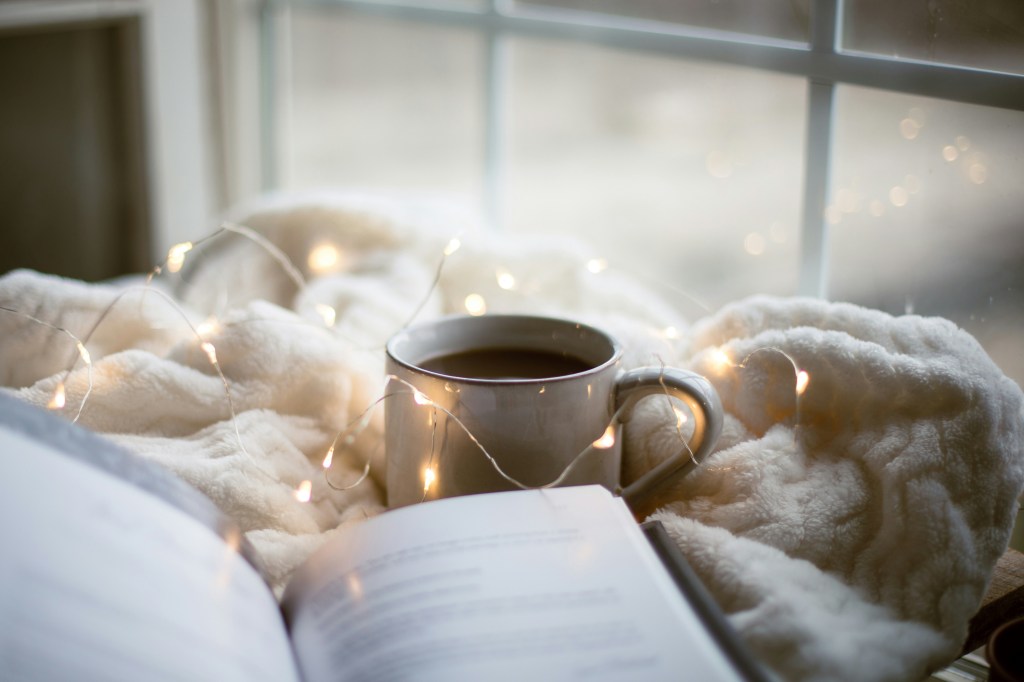
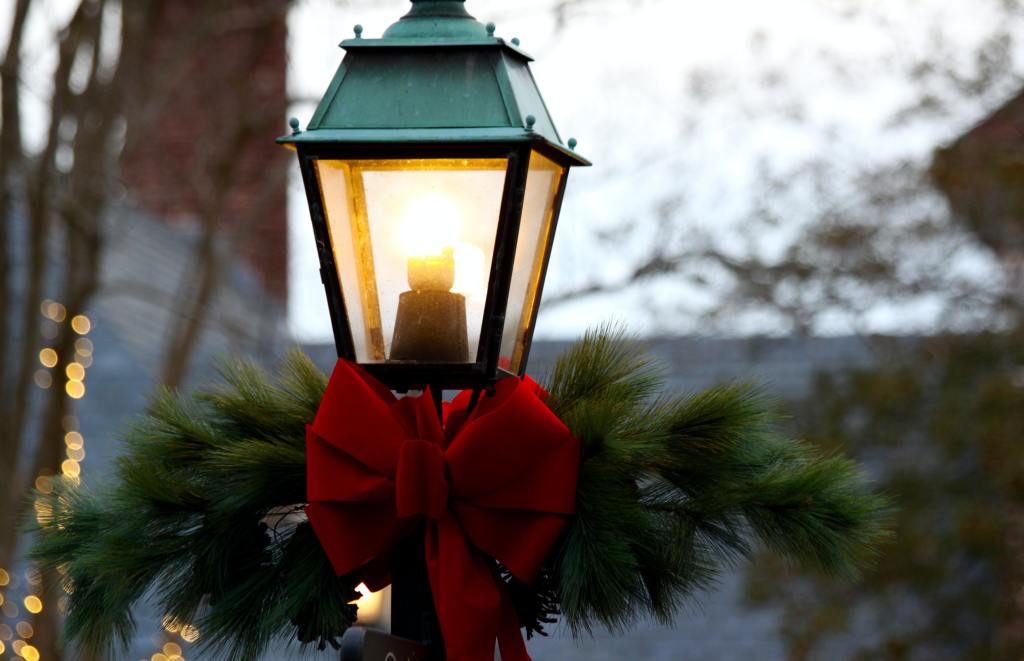
At the Spinning Pen, sitting next to a fireplace, a warm drink in hand, a cozy blanket and a stack of books is pretty much our ideal world. Add winter and twinkling lights, and it’s perfection.

That said, we have put together the perfect winter reading list for you, all of which would make ideal gifts and longterm shelf candy. Enjoy!

THE PERFECT WINTER READING LIST:

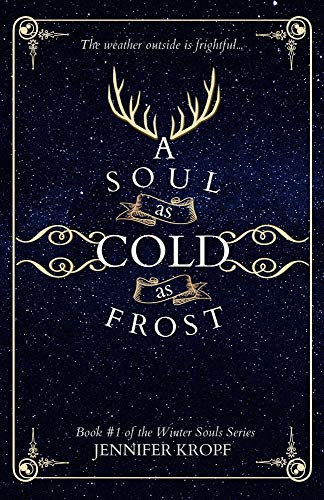
    1. Souls as Cold as Frost — for those craving a Narnia type adventure with depth, courage and battles.
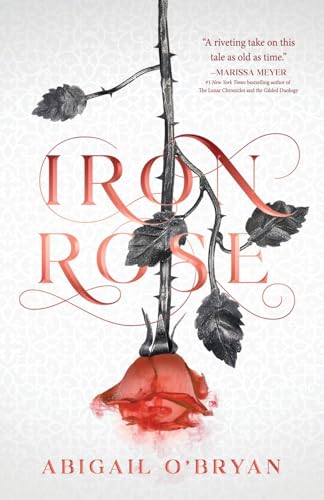
    2. Iron Rose — for those craving a unique Beauty and the Beast meets Hunger Games type story. You’ll find a wintery castle, deep healing, powerful connection, and a kingdom to save.
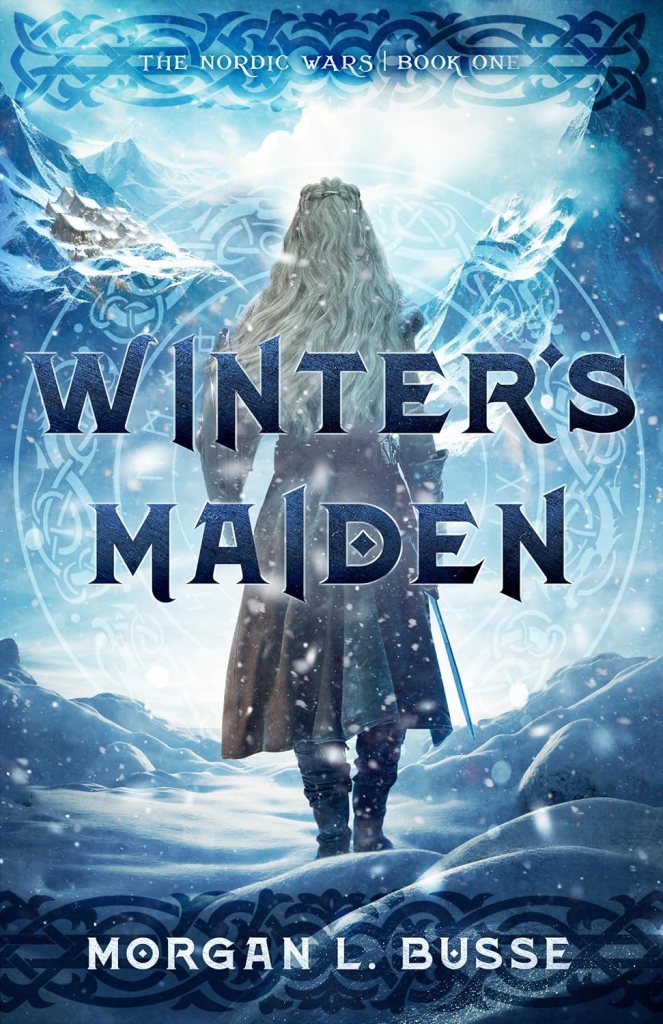
    3. Winter Maiden – for those craving epic battles
    4. Activated – for those craving epic adventure, northern lights, deep truths, and high stakes. “Teen genius and her band of prodigies team up with unlikely allies to stop a catastrophic satellite breakdown. Global chaos is at stake and so is the boy she loves. (Note: Activated is book 3 in the Calculated series – series in process to be a feature film!)
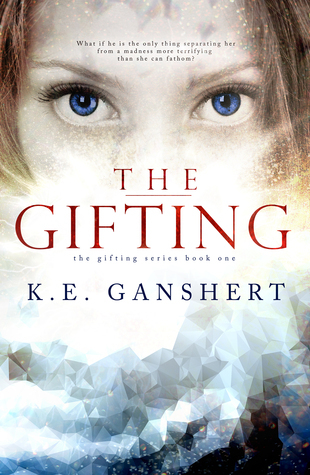
    5. The Gifting – for those craving a supernatural thriller, on the edge of your seat mystery, and a beautifully done connection/soulmate trope romance.
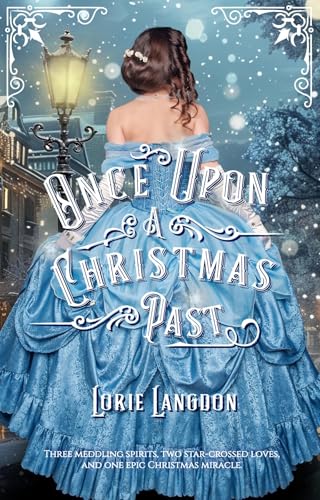
    6. Once Upon a Christmas Past – for those craving a swoony, whimsical new classic in the vein of A Christmas Carol.
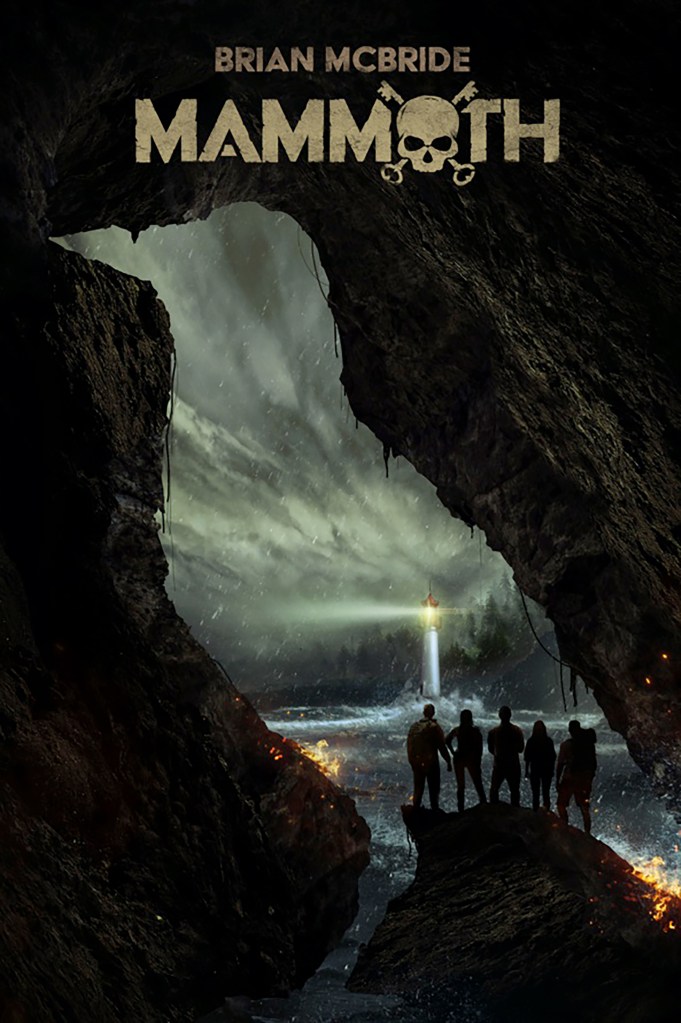
    7. Mammoth – for those craving a GOONIE, Indiana Jones teen adventure!
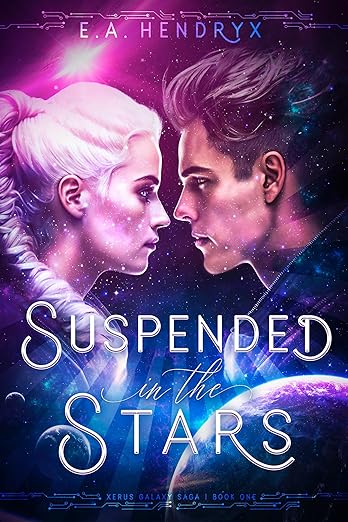
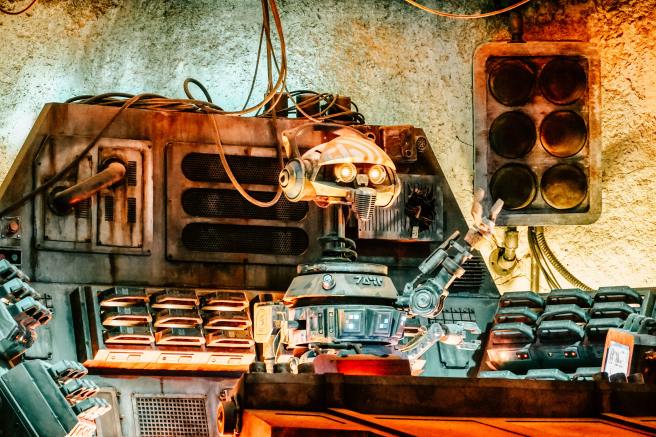
    8. Suspended in the Stars– for those craving fandoms like Skyward and The Lunar ChroniclesThe Greatest Showman or Star Wars in a fast-paced and swoony, no spice YA Science Fantasy space adventure. “A GIRL IN HIDING. A BOY ON THE RUN. THE FATE OF THE GALAXY BETWEEN THEM.”
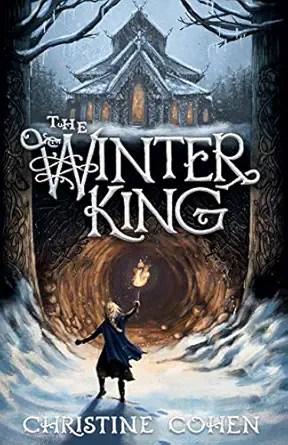
    9. The Winter King – for those craving a mystery and a village trapped in winter, a tyrannical god, and a girl who will do anything to keep her family alive….
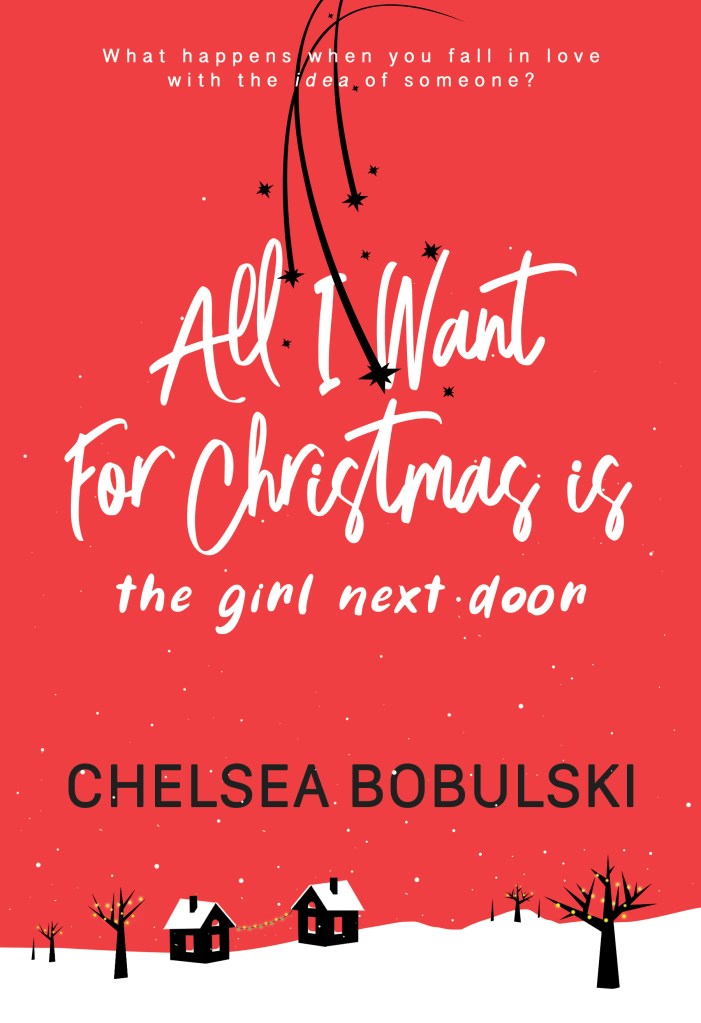
    10. Girl Next Door (All I Want for Christmas series book 1) – Wish Upon a Star meets Its a wonderful life -A boy finds himself caught between a decade-long love for the girl next door and the realization that some wishes are better left unfulfilled.
    11. Christmas on the Goblin Express – for those craving adventure and new perspective — “For Claire Samson, the only way to survive Christmas this year is to escape it.”
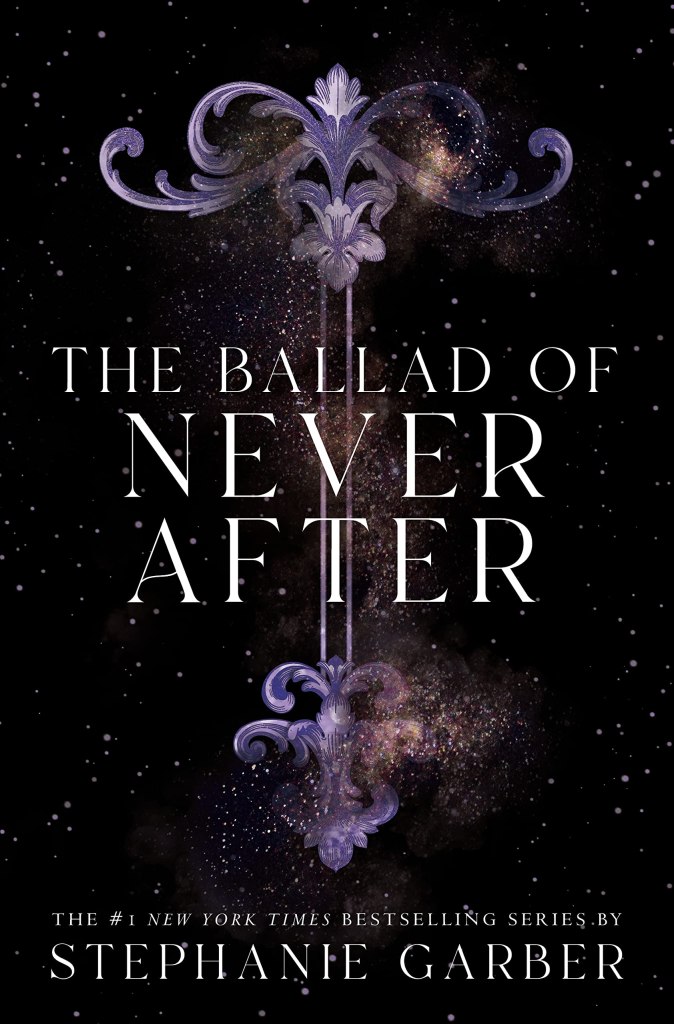
    12. Ballad of Never After – for those craving a winter chase, the jaw-dropping sequel to the ONCE UPON A BROKEN HEART, starring Evangeline Fox and the Prince of Hearts on a new journey of magic, mystery, and heartbreak…

    Have a NEW YEAR book suggestion we want to feature? EMAIL US!

    NOTE: all of these books are no spice and appropriate for 13+

    Stay Warm and Enjoy your Winter Reading!

    THE SPINNING PEN TEAM
    Why Sci-fi?

    Why Science Fiction?


    “Fantasy is the impossible made probable. Science fiction is the improbable made possible.” Rod Sterling

    I love to read—and watch—both science fiction and fantasy, but when it comes to writing, I find myself consistently drawn to science fiction. Even ideas that start as fantasy often get taken over by technology or space travel or aliens.
    What makes science fiction so fun? The improbable made possible. The things that sound exciting or intriguing or frightening or far-out-there, told in a way that makes us believe it could one day happen, maybe even to us. As enjoyable as fantasy is, this is one element it lacks. (Although I’m still holding out hope for my Hogwarts letter…)


    Science fiction is a broad and complex genre that can include many elements, but here are some that I find most intriguing that you might consider when writing.

    Technology

    I love to think about how advanced technology might go wrong. Stories are about problems, so if an invention works perfectly, it’s far less interesting than if characters have to deal with unintended side effects. The more advanced the technology, the greater the possibility for terrible consequences.

    It’s also fun to consider how an invention would affect every area of life. A transporter would make traveling the world much easier, but what would it do to warfare? How would criminals use it? How would change an average person’s life?

    Society

    The fun thing about science fiction is, you can imagine a future going whichever direction you want it to as long as there’s a reason. Think about common elements of daily living—school, transportation, entertainment, fashion. How they might change in the future or with new technologies?
    For a while, people thought virtual school was the way of the future. And even though that’s what many are experiencing now, it’s hard to tell if the method will stick or people will celebrate a return to in-person school. Fashion comes and goes in cycles. What if your futuristic society decides Victorian dress or Roman togas make sense?


    Themes/Humanity

    People remain the same regardless of technology or location. With science fiction, especially when the world seems improbable or humans dwell among the stars, it’s extra important to ground the reader with characters who want relatable goals and feel the same emotions we all experience.


    Outer Space

    Science fiction doesn’t have to be set on a space ship or another planet—Earth-based settings can be just as interesting, whether they’re set in the present or the future. But I’ve always been fascinated by the wonders of the galaxy, by how much is out there that we’ve barely begin to see. And since we know so little, it’s a fertile ground for your imagination to run wild. Unique planets, strange aliens, unknown phenomena…make the improbable seem possible, and take readers to a new world!

    What do you love about science fiction?

    Becky Dean, signing off.

    TRANSITIONING GENRES

    TRANSITIONING GENRES?

    scifi

    Three tips to ensure a smooth move

    It all started with a room in an abandon park…

    It wasn’t just any room, but a particularly large, spacious and strangely unearthly one. It was as if the room was originally built for giants of men and heroes of old. After that day, I never saw that space again, but it remained etched in my memory. That was the room where the story first came to me.

    At the time, I was already deep in the writing trenches of my YA fantasy novel. When this futuristic world began to reveal itself to me in that room, I couldn’t help but start frantically taking notes. There was a future world that existed out there and was waiting to be written.

    I promised myself I’d finish up my current work in progress but after that, I would be switching to sci-fi. Though switching from fantasy to sci-fi sounded daunting, this past year was the year I made that jump.

    If you’re considering changing genres, here are a few things I learned along the way that I hope help you:

    Think about why you’re switching genres and if you’re a good fit

    Hopefully, if you’ve completed another manuscript, you know what your strengths are. Do you write page-turning plot, life-like characters, or mind-blowing worlds? Take your list of strengths and weaknesses into consideration as you’re picking your new genre.

    If your number one strength is developing deep characters and you really struggle to write anything fast paced, a thriller probably isn’t the best fit for you. Make sure that your strengths fit the new genre you’re about to tackle.

    Think about what you’re passionate about

    What makes you come alive? You may be the most gifted horror writer in the world but if you feel queasy at the thought of gore, is that really the story you want to tell? Writing is incredibly hard work. But it’s also fun! Write something that’s going to excite you and keep you up at odd hours because you love it.

    Think about where you draw inspiration from

    One more thing to take into consideration is your current environment. When I moved to Beijing a year and a half ago, I was in awe of city and curious about how it worked. I used my phone to pay for everything, scanned my face to get on planes, and had toilet paper delivered to my door by men on bikes. It wasn’t hard for me to begin extrapolating the world around me and converting it into a novel.

    “I could see stories enfolding on every corner.”

    That’s when I knew it was time to write the sci-fi novel I had stored away at the back of my brain since I first saw that room. It was a hard decision because I was about to start querying my other novel. I didn’t want to delay that any longer. But I also knew, I’d only have one year in Beijing and I’d never find inspiration like this again.

    If you’re traveling, just moved, or are facing some other life change that is compelling you to write something new. Go for it! I typically wouldn’t advise completely neglecting your other WIPs but, especially if it’s a short stretch of time, take advantage of the inspiration around you! Tackle that new genre while the warm fuzzies last.

    Just don’t forget, keep going even when they stop. Nerd out, turn it into a game, get organized, or keep wanderingbut do whatever it takes to keep writing.


    Candace signing off to go hiking and get more inspiration.


    The Final Frontier: Starting Your Sci-fi

    Pen Friends ~ We are starting a series of posts on tips and how to write each genre- Fantasy, Contemporary, Sci-fi, Action-Adventure, and more. This Month is all about WRITING SCI-FI! 

    First post of the Writing Sci-fi series:

    Where do you start when you want to write a science fiction story? Just as with any story, you need to have an idea of your plot, your characters, their world and the struggle they’re going to face.

    Plot Structure:

    If you begin with a basic plot in mind, how are you going to structure your story? Is it going to be a straightforward and linear, or will you use frequent flashbacks?

    You could insert official reports or journal entries to open a window into other perspectives. Or you could even jump around in the timeline – though this is tricky to keep track of – unless there’s a very plot-specific reason for it, I would caution against this.

    Or perhaps you like to start with at your characters, and let the majority of the plot evolve with them.   Continue reading