
You’ve sat down, know your characters, have a plan for writing, the plot is nailed down, and you’re itching to get started.
The first sentence comes out and…. sounds like a preschooler wrote it.
You try again, delete your second attempt, and then switch to paper and pen. That will help! Several crumpled papers later, your waste bin is starting to fill but not the pages. How do you get that perfect intro sentence? How do you set the mood, capture beauty, or develop your style?
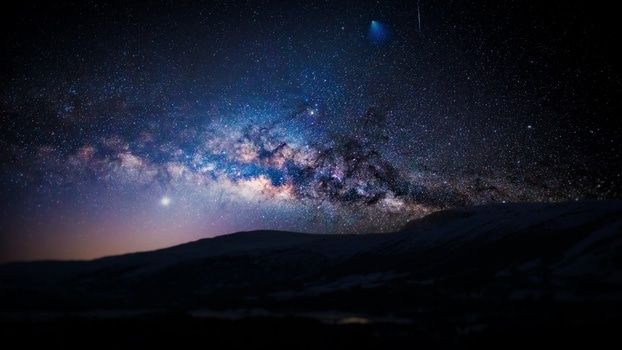 If you ask kids what they’re most afraid of, I’d bet a lot of them would say, “the dark.” This isn’t an uncommon theme—the dark is a constant we must face on a daily basis, and it can be quite scary when we aren’t prepared for it.



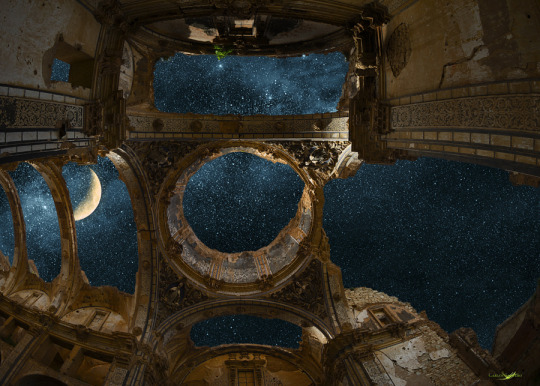
 When someone says “science fiction,” what comes to mind? Space exploration? Futuristic technology? Aliens life forms? We tend to think of science fiction in those terms, but the best sci-fi stories don’t just spark our imaginations. They find a way to bring the story back home to the beautifully flawed humans who inhabit planet Earth. The brilliance of science fiction is that—no matter where or when it takes place—it creates a backdrop against which we can examine human nature and ask the question “What does it mean to be human?”
 The Spinning Pen